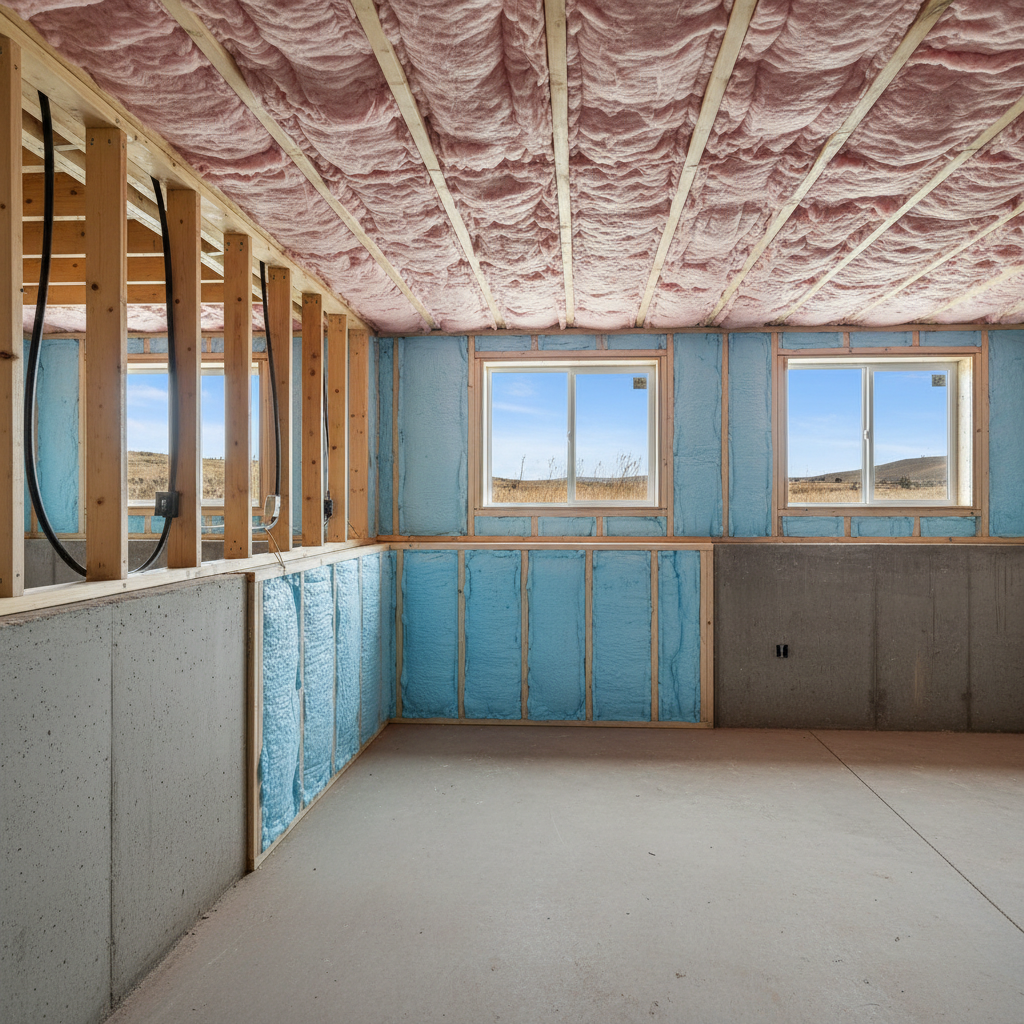
Insulating your basement can really change things for comfort and your energy bills. That's especially true here in Boise, where our winters can get pretty chilly, and summers make us crank up the AC. But I've seen plenty of folks mess up big time when they're planning or hiring for this kind of project. You definitely don't want to be one of them. So, here's what you need to keep an eye out for.
Mistake #1: Ignoring Moisture Issues First
This is probably the biggest, most expensive mistake I see. Before you even think about putting up insulation, you absolutely have to deal with any moisture problems. I'm talking about leaks, condensation, or even just high humidity. Boise has some pretty varied soil conditions, you know, from sandy loam in the North End to heavier clay out towards Kuna, and that can really affect how water drains around your foundation. If you insulate over a damp wall, you're just creating a perfect spot for mold and mildew to grow behind your new insulation. It'll smell bad, it'll ruin your insulation, and it can even damage the structural integrity of your home over time. Don't just cover it up; fix the source of the water first. That might mean exterior drainage work, sealing cracks, or maybe just running a dehumidifier for a while to see what's really going on.
Mistake #2: Choosing the Wrong Type of Insulation
Not all insulation works the same, especially for basements. I've seen people try to use regular fiberglass batts directly against concrete walls without a proper vapor barrier, and that's just asking for trouble. Fiberglass soaks up moisture like a sponge, loses its R-value when it gets wet, and then becomes a haven for mold. For basements, you need something that can handle potential moisture and give you a continuous thermal break. Rigid foam boards are a good choice, but you need to make sure they're installed correctly with sealed seams. Spray foam, like what we do at Spray Foam Pros of Boise, is often the best solution. It creates an airtight, moisture-resistant barrier that sticks right to the wall, getting rid of those air gaps where condensation can form. So, don't just grab the cheapest stuff; think about the unique environment down in a basement.
Mistake #3: Forgetting About Air Sealing
Insulation blocks heat transfer, but air sealing stops drafts. You could have the thickest insulation in the world, but if cold air is still sneaking in through cracks and gaps, you're just wasting energy. Basements are famous for air leaks around rim joists, sill plates, plumbing penetrations, and electrical wiring. These small gaps might not seem like much, but they really add up to a lot of heat loss. Before you insulate, take the time to seal these areas with caulk or expanding foam. This is super important in older homes around the Bench or downtown area, where foundations might have settled a bit over the years, creating even more gaps. A good contractor will always include air sealing as part of a basement insulation project; if they don't mention it, well, that's a red flag.
Mistake #4: Not Considering the Rim Joist
The rim joist is that band of wood framing that sits on top of your foundation wall, supporting the floor above. It's often one of the biggest sources of air leakage and heat loss in a basement, yet people frequently overlook it. Cold air can seep in through gaps where the foundation meets the sill plate, and where the rim joist meets the subfloor. Insulating and air sealing the rim joist area is absolutely crucial. Spray foam is fantastic for this because it expands to fill all those irregular gaps and creates a seamless barrier. If your contractor isn't talking about how they're going to tackle the rim joist, ask them. It's a critical part of a truly effective basement insulation job, believe me.
Mistake #5: Going Too Cheap on Materials or Labor
I get it, everyone wants to save a buck. But basement insulation isn't the place to cut corners. If you hire someone who gives you a suspiciously low bid, there's usually a reason. They might be using cheaper materials, rushing the job, or skipping critical steps like moisture mitigation or air sealing. A poorly done insulation job won't just fail to save you money; it can lead to bigger problems down the road, like mold or structural issues. It's an investment in your home's comfort, efficiency, and how long it lasts. Get multiple quotes, ask for references, and make sure you understand exactly what's included in the scope of work. A reputable company, like Spray Foam Pros of Boise, will be upfront about their process and materials.
Don't let these common mistakes derail your basement insulation project. Do your homework, ask the right questions, and make sure you're working with someone who understands the unique challenges of insulating a basement in our climate.