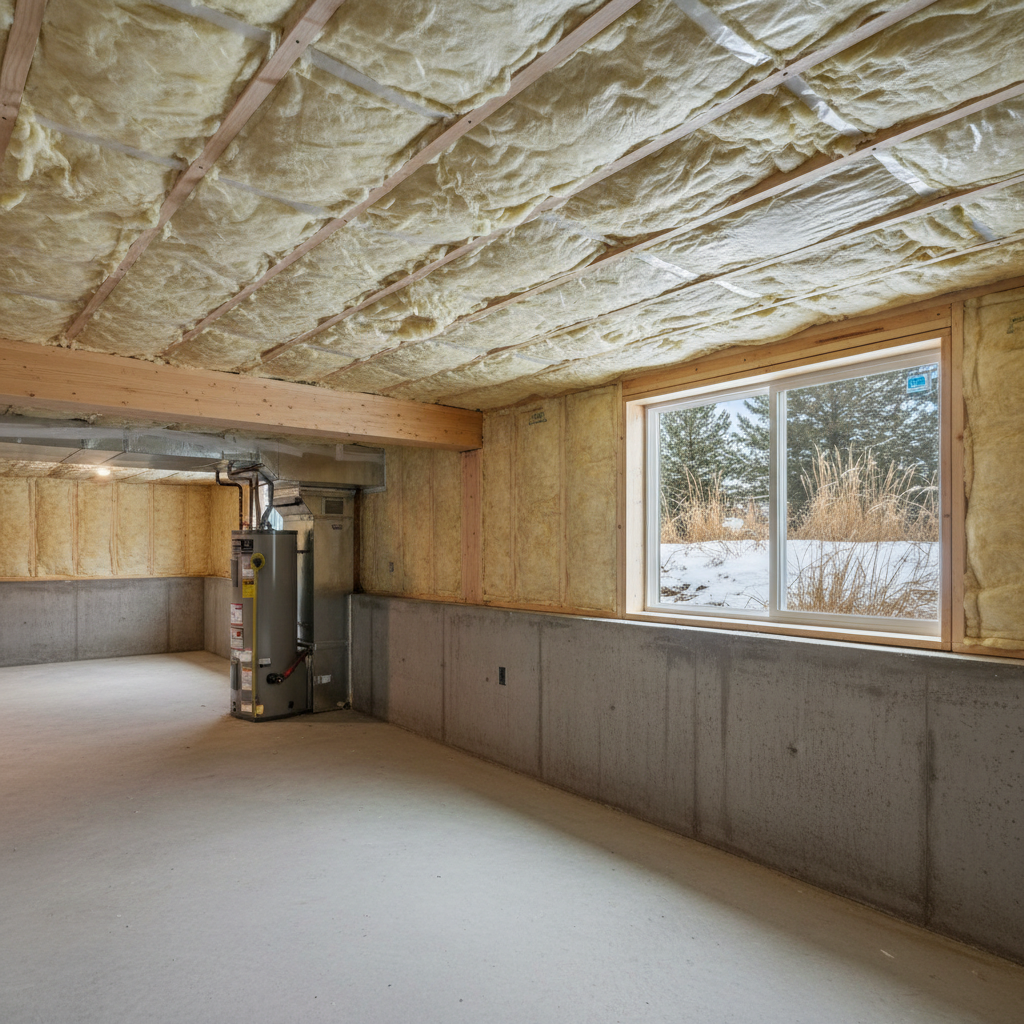
You finally got that basement insulated, maybe with some closed-cell spray foam or rigid boards, and it's made a world of difference, right? Warmer floors, lower energy bills, less musty smell. But insulation isn't a 'set it and forget it' kind of deal, especially down in the basement. It's an investment, and like any good investment, it needs a little looking after to make sure it keeps working hard for you for decades.
Extending Your Basement Insulation's Lifespan
The biggest enemy of basement insulation, especially here in Boise with our sometimes-wet springs and heavy snowmelt, is moisture. Period. If you keep your basement dry, your insulation will last as long as your house does, practically. That means good exterior drainage is your first line of defense. Make sure your gutters are clean and diverting water at least five feet away from your foundation. Check your downspouts after a good rain – are they pooling water right next to the house? That's a problem.
Inside, managing humidity is key. Basements naturally tend to be a bit more humid than upstairs. A good dehumidifier, especially during those muggy summer months or after a particularly wet winter, can make a huge difference. Keep that humidity below 60% if you can. It'll prevent mold growth, which not only smells bad but can also compromise the integrity of some insulation types, especially if it gets into organic materials nearby.
Also, think about what you're storing against your insulated walls. Don't stack boxes or furniture directly against them if you can help it. Air circulation is good, and it also makes it easier for you to spot any issues if they arise.
Regular Maintenance Checks
You don't need to be down there with a clipboard every week, but a quick visual inspection a couple of times a year can save you a lot of headaches. I usually tell folks to do it in the spring after the snow melts and again in the fall before winter really sets in. Here's what to look for:
- Visual Inspection: Walk around the perimeter of your basement. Are there any visible signs of dampness on the walls or floor? Any dark spots that could be mold?
- Smell Test: Does it smell musty? That's often the first sign of hidden moisture or mold.
- Insulation Integrity: If you have exposed insulation (like batt insulation in rim joists or exposed rigid foam), check for any sagging, tears, or gaps. Has anything shifted?
- Pest Activity: Look for signs of rodents or insects. Droppings, chewed materials, or nests. Pests love insulation for nesting material, and they can create pathways for air and moisture.
- Foundation Cracks: While not directly insulation maintenance, new or expanding foundation cracks can be a source of water intrusion, which will absolutely impact your insulation.
If you've got a finished basement, these checks are tougher, but you can still pay attention to smells, cold spots, or any discoloration on drywall.
Warning Signs You Shouldn't Ignore
Some things are more than just routine checks; they're red flags. If you see any of these, it's time to investigate further:
- Water Stains or Puddles: This is obvious, but any standing water or even persistent damp spots on the floor or lower walls means you have a leak. Find it and fix it immediately.
- Mold or Mildew Growth: Black, green, or white fuzzy patches on walls, insulation, or stored items. This indicates a serious moisture problem.
- Peeling Paint or Wallpaper: If your finished basement walls start showing these signs, it's often due to moisture behind them.
- Unusual Odors: A persistent earthy or musty smell that doesn't go away with airing out.
- Increased Energy Bills: If your heating or cooling costs suddenly jump without a change in usage, compromised insulation could be a culprit.
- Sagging or Deteriorating Insulation: If you see your insulation falling apart or looking waterlogged, it's not doing its job anymore.
When to Call a Professional
Look, I'm a contractor, so I'm going to tell you when it's time to call in the pros. Some things are beyond a DIY fix, and trying to tackle them yourself can make things worse or just delay the inevitable. You should definitely call someone if:
- You find significant water intrusion: If you've got a leak that you can't identify or fix yourself, or if there's standing water. Water damage can be complex.
- There's extensive mold growth: Small spots you can handle, but if it's spread over a large area, or if you suspect it's behind walls, you need a mold remediation specialist. It's a health hazard.
- Your insulation is severely damaged: If it's soaked, falling apart, or heavily infested with pests, it likely needs to be removed and replaced. This is where Spray Foam Pros of Boise comes in. We can assess the damage and recommend the best course of action, whether it's new spray foam or another solution.
- You have persistent humidity issues: If your dehumidifier is running constantly and you still can't get the humidity down, there might be a larger issue with ventilation or moisture sources.
- You suspect structural foundation issues: Large cracks, bowing walls, or shifting foundations are serious and require a structural engineer or foundation repair specialist, not just an insulation contractor.
Your basement insulation is there to keep your home comfortable and efficient. A little attention goes a long way in ensuring it does its job for years to come. Don't ignore the signs; addressing problems early saves you money and headaches down the road.