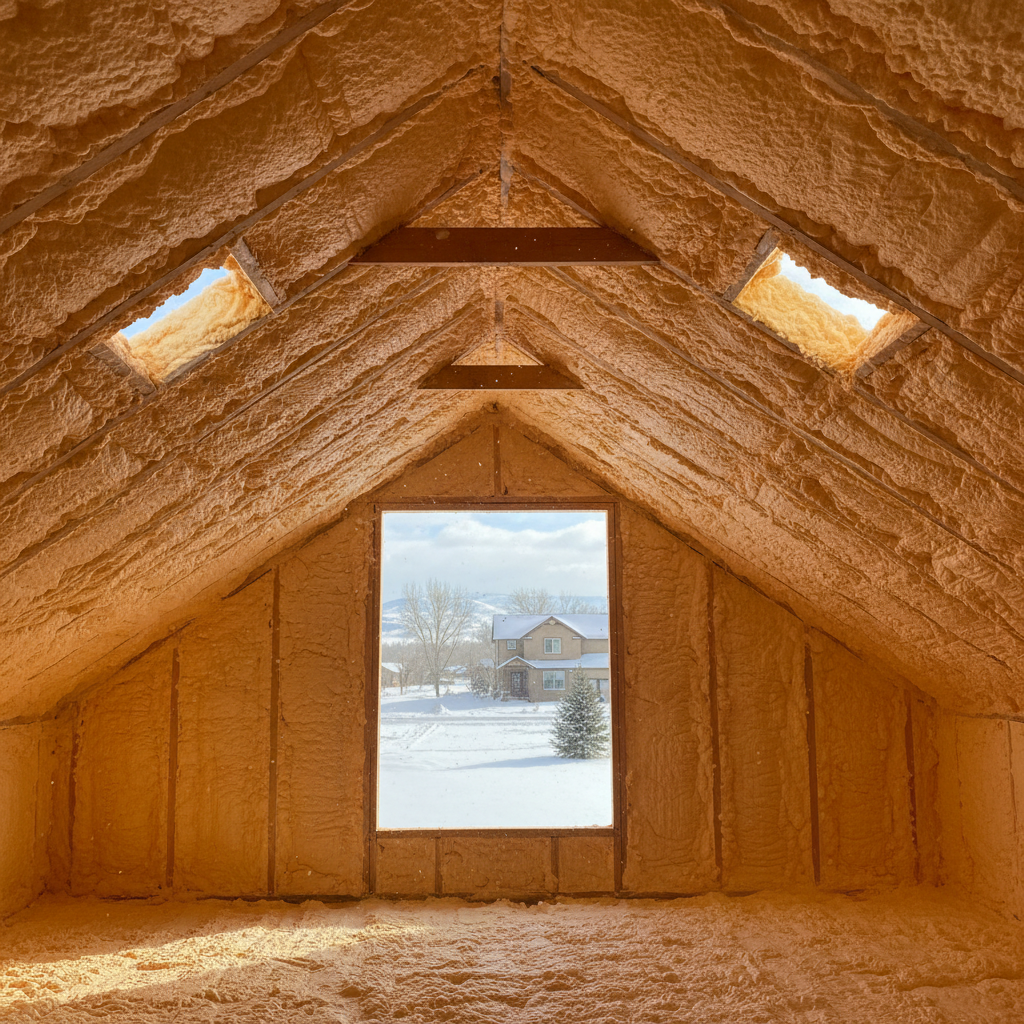
Alright, let us talk about closed-cell spray foam right here in Boise. You have probably heard me say it before, but our weather is not exactly subtle, is it? We swing from those really hot 100-degree summer days to freezing winter nights, and sometimes it dips well below zero. That kind of extreme temperature change means you have got to be smart about how and when you insulate your home in Boise, especially with something as good as closed-cell spray foam.
It is not just about putting it up and saying it is done. There are certain conditions that make for the best application of closed-cell spray foam, and knowing them helps you protect your investment and get the most out of your insulation year-round for your Boise home.
When to Schedule Your Closed-Cell Spray Foam Project in Boise
The best time for applying closed-cell spray foam is usually spring or early fall here in Boise. Why is that? Because the air temperature and the surface temperatures are more likely to be in that good 41°F to 86°F range. For us here in Boise, that means those months when we are not fighting the hottest part of summer heat or the coldest part of winter. Think about April, May, September, and October for your Boise spray foam project.
During these milder seasons, the closed-cell spray foam can expand and cure properly without being rushed or slowed down too much by very hot or very cold temperatures. It is like baking a cake – you want the oven just right, not too hot, not too cold, for the best result. This time of year also tends to have lower humidity and drier surfaces, which is important for the spray foam to stick well and cure right for your Boise home.
Weather Conditions That Affect the Closed-Cell Spray Foam Work in Boise
You might think, "It is indoors, so what does the weather outside matter for my Boise insulation project?" Well, it matters a lot. Here is what we are always watching for when we do closed-cell spray foam in Boise:
- Temperature: This is probably the biggest thing. The foam itself needs to be at a certain temperature, usually around 70-85°F, and the surface it is sprayed onto needs to be at least 50°F. If it is too cold, the foam can become brittle, and it can expand unevenly, or it can shrink as it cures. If it is too hot, the reaction can speed up too much, and this affects how well it sticks. Our Boise winters, with their regular freezing nights, can make inside spaces like crawl spaces or unheated garages pretty cold, and this means we have to warm the area up before we can even start our spray foam work in Boise.
- Humidity: Humidity also plays a role. Closed-cell spray foam cures by reacting with moisture in the air. Good humidity levels are usually between 40% and 70%. While Boise is generally dry, especially in summer, we can get some humid times. High humidity can make curing faster, while low humidity can slow it down. Too much moisture can also lead to problems if it gets trapped.
- Surface Condition: This is very important: the surface has to be clean and, most importantly, DRY. Spraying closed-cell spray foam over a damp surface is a recipe for trouble. It traps moisture, which can lead to mold, wood rot, and structural damage over time. This is especially important in places like older Boise Bench homes with basements or crawl spaces that might have had moisture problems in the past. We will always check for moisture content before we spray closed-cell foam in your Boise home.
- Wind: While less of a concern for inside work, strong winds can affect outside applications or projects where the area is not fully enclosed. Boise can get some pretty strong winds, especially in the spring.
We have specialized equipment to heat our materials and control conditions, but working within the good environmental range makes for the best, most solid results for your Boise insulation. That is why scheduling your Boise spray foam project during those milder seasons is often better.
Protecting Your Closed-Cell Spray Foam Investment Year-Round in Boise
Once closed-cell spray foam is installed by a professional like Spray Foam Pros of Boise, it is a very solid product. It is known for lasting a long time, often lasting 80 to 100 years. But there are still a few things to remember to make sure it keeps doing its job well for your Boise home:
- Ventilation is Key: Closed-cell spray foam creates a very tight seal, which is great for saving energy. However, a super-tight home needs proper mechanical ventilation to keep good indoor air quality and manage humidity from daily things like cooking and showering. If you have got a newer, tightly sealed home in Boise, make sure your ventilation system is working correctly.
- Address Leaks Quickly: While closed-cell foam is moisture-resistant and will not soak up water like other insulations, you still do not want water getting into your home in Boise. Fix any roof leaks, plumbing problems, or foundation cracks right away. Even though the foam itself will not be ruined, long-term water exposure can still damage other building materials in your Boise home.
- Regular Home Maintenance: Just good old-fashioned home maintenance goes a long way for your Boise property. Keep your gutters clean, make sure water drains properly around your foundation, and check for any signs of pests. While spray foam helps keep pests out, it is always good to be watchful.
- Monitor for Changes: Pay attention to how comfortable your Boise home feels and your energy bills. If you notice a sudden change, it might be worth having us at Spray Foam Pros of Boise take a look. While rare with closed-cell foam, problems can sometimes come up, and catching them early is always best.
Closed-cell spray foam is a great investment for Boise homeowners looking for better insulation and air sealing. Understanding the best times for installation and how our local Boise climate affects the process makes sure you get the most out of your home upgrade. If you have got questions or are ready to talk about insulating your home in Boise, give us a call at Spray Foam Pros of Boise.