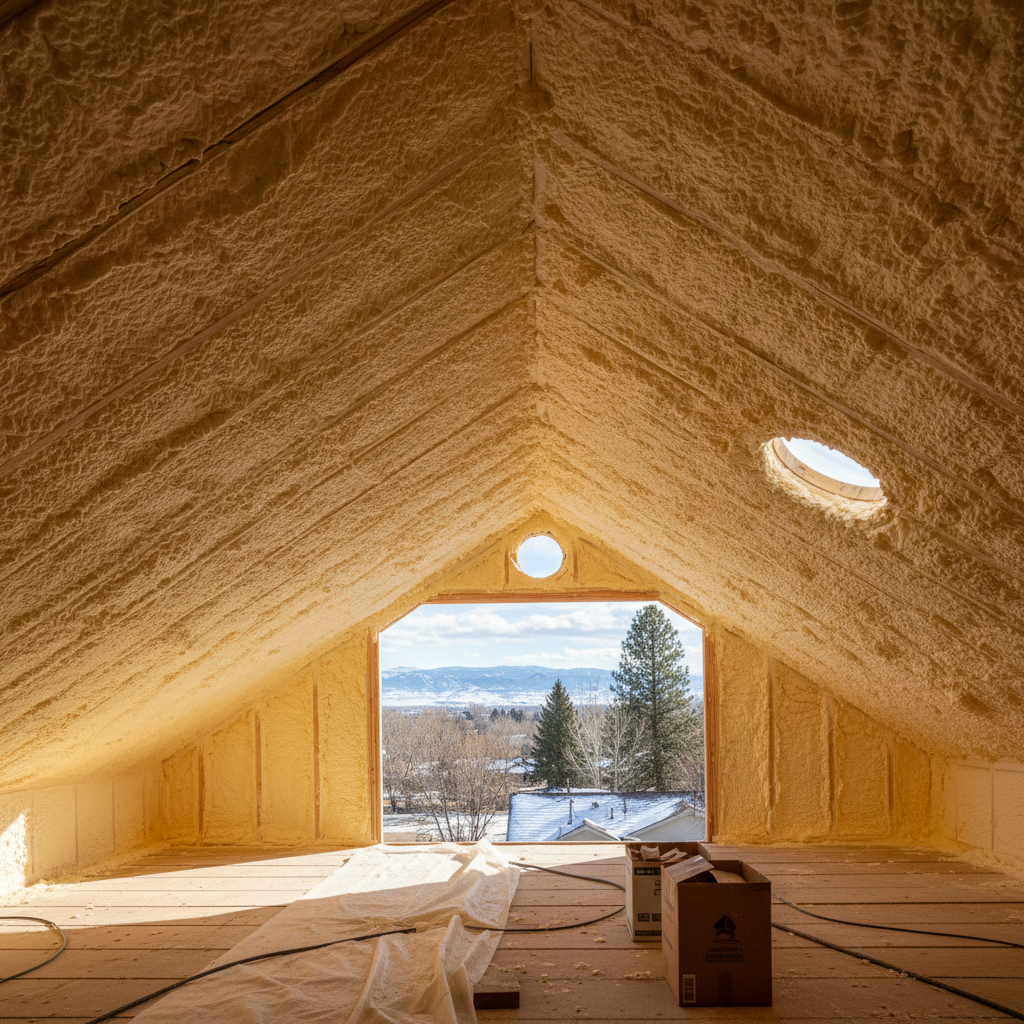
When's the best time to get closed cell spray foam installed in your Boise home? That's a question I get a lot, and it's a good one. It's not just about when you're ready; it's also about when the conditions are right for the foam to do its best work. As a contractor, I can tell you that understanding the seasons here in the Treasure Valley really helps protect your investment. It sure makes a difference!
Scheduling Your Spray Foam: It's All About Temperature
Closed cell spray foam is amazing stuff, but it's also a chemical process. That means temperature plays a big role in how it cures and performs. We want the best for your home, and that means installing it when the conditions are ideal. The sweet spot for us is usually when the outdoor temperatures are consistently above freezing, but not scorching hot. Think spring and fall, generally speaking.
- Spring (March-May): This is often a fantastic time. The ground isn't frozen solid anymore, and we're not dealing with extreme heat. The air is generally drier than winter, and the temperatures are stable enough for good adhesion and curing. If you're planning a remodel or new construction, getting us in during spring means your project stays on schedule without weather delays.
- Summer (June-August): We can definitely do installs in the summer, but it requires careful planning. If it's a super hot day, like those 100-degree stretches we get in July and August, we might need to adjust our start times or take extra precautions to make sure the substrate isn't too hot. The foam itself generates heat as it cures, so we're always mindful of that. Ventilation becomes even more critical, naturally.
- Fall (September-November): Another prime window. The days are still warm enough, but the intense summer heat has usually broken. This allows for excellent curing conditions before the really cold weather sets in. It's a great time to get your home buttoned up before winter hits.
- Winter (December-February): This is the trickiest time for closed cell. While we can and do install in winter, it often means more prep work. We might need to use temporary heating to get the substrate (the surface we're spraying on) up to temperature. Cold surfaces can affect how the foam adheres and expands, leading to less-than-optimal results. We're not going to compromise on quality, so if it's too cold, we'll tell you and reschedule. We often see homeowners in older homes, especially in areas like the North End with its historic houses, wanting to upgrade their insulation in winter, but sometimes waiting for a warmer spell is the smarter move.
Weather Conditions That Affect the Job
Beyond just temperature, other weather factors can impact a closed cell spray foam installation:
- Humidity: While not as critical for closed cell as it is for open cell, extremely high humidity can sometimes slow down the curing process slightly. We're always monitoring it.
- Rain/Snow: We can't spray on wet surfaces. Period. If there's rain or snow, we need to wait until the area is completely dry. This is especially true for exterior applications like rim joists or crawl spaces. Moisture trapped under the foam is a recipe for problems down the road.
- Wind: High winds can be an issue, especially for exterior work or if we're spraying in an attic with open gables. It can make it hard to control the spray pattern and lead to overspray. Safety is always our top priority, and strong gusts can make the job site unsafe.
Protecting Your Investment Year-Round
Once your closed cell spray foam is installed by Spray Foam Pros of Boise, it's pretty low maintenance. That's one of its big advantages. It's durable, doesn't settle, and resists moisture. But there are a few things you can do to make sure it keeps performing its best:
- Avoid Punctures: Closed cell foam is tough, but it's not invincible. If you're doing any work in your attic, basement, or crawl space where the foam is exposed, be careful not to puncture it with tools or storage items. A small hole can compromise its thermal barrier.
- Keep it Clean: Generally, you don't need to do anything to clean it. If dust accumulates, it's usually not an issue for performance. Just don't go spraying harsh chemicals on it.
- Monitor for Leaks: While the foam itself is a fantastic air and moisture barrier, it can't fix existing roof or plumbing leaks. If you notice a new water stain on your ceiling, get it checked out immediately. Water can damage the structure around the foam, even if the foam itself isn't directly affected. Catching leaks early protects your whole home.
- Ventilation Check: Make sure any ventilation systems (like bathroom fans or kitchen hoods) that exhaust through insulated areas are still working properly and aren't blocked. Proper air exchange is still important for indoor air quality, even with a tightly sealed home.
Ultimately, closed cell spray foam is a long-term investment in your home's comfort and energy efficiency. By understanding a bit about how it works with our Boise weather, you're setting yourself up for success. If you've got questions about timing your project, just give us a call at Spray Foam Pros of Boise. We're happy to talk through it with you.