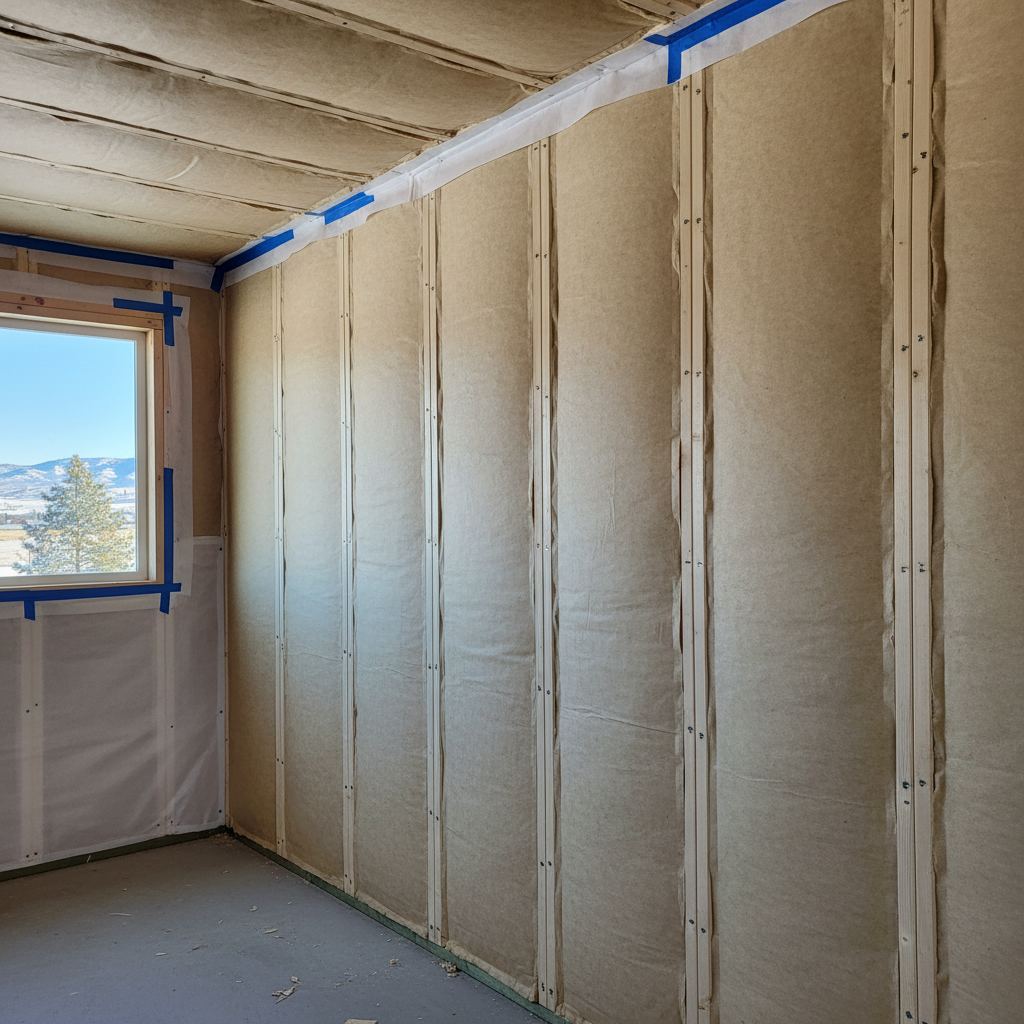
Do I really need to insulate my garage in Boise?
That's a question I hear all the time, and honestly, the short answer is usually yes. Look, Boise weather really swings. We'll hit those scorching 100-degree days in summer, then drop down to single digits — sometimes even below zero — in winter. An uninsulated garage? It's basically a giant thermal hole in your house. If it's attached, all that heat or cold just bleeds right into your living space, making your furnace or AC work overtime. Even if it's detached, insulating it makes the space way more usable for hobbies, a workshop, or just keeping your car from freezing solid. What a pain that is.
Think about it: your garage walls often share a boundary with a bedroom, a kitchen, or a hallway. Without insulation, that wall just becomes a direct pipeline for outside temperatures. You're not only losing money on energy bills, but you're probably not even comfortable in those adjacent rooms. It's not just about comfort, though; it's about efficiency and keeping anything you store out there safe from extreme temperatures.
What's the best type of insulation for a Boise garage?
Okay, so "best" really depends on a few things, but for garages, I usually point folks toward a couple of solid options. For walls, especially if you've got exposed studs, spray foam (either open-cell or closed-cell) is fantastic. It seals up all those tiny gaps and cracks, giving you a really tight thermal envelope. Closed-cell spray foam also adds some structural rigidity and acts as a vapor barrier, which is a huge plus in a garage where you might deal with moisture from snowmelt or even a leaky car.
If you're on a tighter budget, or maybe you want to DIY part of it, fiberglass batts can work. Just make sure they're installed perfectly, no gaps or compression allowed. For the garage doors themselves, rigid foam panels are usually the way to go. They're lightweight and fit right into the door's sections. And hey, don't forget the ceiling if there's an unconditioned space above it, like an attic or just open rafters. That's another big spot for heat to escape or sneak in.
Will insulating my garage door actually make a difference?
Absolutely, it makes a huge difference, especially if your garage door faces west or south and gets direct sun all day in the summer. Or, you know, if it's just a thin metal door. Garage doors are often the biggest uninsulated surface on your garage. Think about it: a standard metal garage door has almost no R-value. Adding rigid foam panels can boost that significantly, sometimes up to an R-10 or R-12, depending on the thickness. This means less heat pouring in during summer and less cold seeping in during winter. Pretty simple, right?
It's one of the most cost-effective upgrades you can do for your garage's energy efficiency. Plus, it can help quiet outside noise, which is a nice bonus if you live near a busy street or have noisy neighbors. Just make sure those insulation panels don't add too much weight and throw off your door's balance; you might need to adjust the springs.
My garage is detached. Should I still insulate it?
Even for a detached garage, insulation is a smart move, especially in our climate. If you use it as a workshop, a home gym, or just a place to store sensitive items like paint, electronics, or even a classic car, you'll want to control that environment. Without insulation, that detached garage is going to be brutally hot in July and freezing cold in January. I've seen plenty of folks in the North End who use their detached garages for everything from woodworking to band practice, and they all tell me insulation was a game-changer for comfort and usability.
It also protects your belongings. Extreme temperature swings can damage tools, degrade chemicals, and even warp wood. So yes, even if it's not directly attached to your home, insulating a detached garage makes it a much more versatile and protected space.
What about insulating the garage ceiling if there's a room above it?
This is crucial. If you have a bonus room, a bedroom, or any living space directly above your garage, that ceiling absolutely needs to be insulated, and well. Think of it like this: your garage is essentially an unconditioned space, often exposed to outside temperatures. If there's no proper insulation and air sealing between the garage ceiling and the floor of the room above, you're going to feel it. That room will be colder in winter, hotter in summer, and generally uncomfortable.
We often use spray foam for these applications because it creates an excellent air seal and high R-value all in one go. This stops conditioned air from escaping and unconditioned air from entering. It's not just about R-value here; it's about stopping air leakage, which is often the biggest culprit for discomfort and wasted energy. Don't skip this step if you've got living space above your garage; it's one of the most common complaints I hear from homeowners.
Can insulating my garage help with noise reduction?
Yes, it definitely can! While insulation's main job is thermal resistance, it's also pretty good at absorbing sound. If you've got a noisy garage — maybe you're running power tools, playing music, or your kids are out there practicing drums — insulating the walls and ceiling will help significantly cut down on sound transmission to the rest of your house and even to your neighbors. This is particularly true for open-cell spray foam or dense-pack cellulose, which are great at dampening sound.
Even fiberglass batts will offer some acoustic benefits. If noise is a big concern, especially if you're turning your garage into a home office or a dedicated workshop, combining insulation with other soundproofing materials can make a huge difference. It's a nice secondary benefit that often gets overlooked.
How does garage insulation impact my home's overall energy bill?
It can have a pretty big impact, actually. As I mentioned earlier, an uninsulated attached garage acts like a giant heat sink or cold sink right next to your conditioned living space. Your HVAC system has to work harder to maintain the desired temperature inside your home because it's constantly battling the extreme temperatures bleeding in from the garage.
By insulating your garage walls, ceiling (if applicable), and especially the garage door, you create a buffer. This reduces the load on your furnace in winter and your AC in summer, meaning they don't have to run as often or as long. Over time, this translates into noticeable savings on your monthly energy bills. It's an investment that pays itself back, not just in comfort but in actual dollars. We've seen plenty of homes in areas like the Boise Bench or Meridian where homeowners notice a significant difference in their utility bills after insulating their garages. It's a smart move for long-term savings and comfort.
What kind of prep work is needed before insulating a garage?
Good question. Before we even think about insulation, there are a few things you'll want to take care of. First, make sure the framing is solid and any electrical or plumbing rough-ins are complete. You really don't want to be tearing into freshly installed insulation just to run a new outlet. Second, seal up any major air leaks. This means caulking around windows and doors, sealing any penetrations for pipes or wires, and making sure the sill plate is properly sealed to the foundation.
If you're dealing with an older garage, check for any moisture issues. You want a dry environment before insulating. Any rot or water damage needs to be addressed first. For garage doors, make sure the door itself is in good working order and the springs are properly tensioned. If you're going with spray foam, we'll need a clean, dry surface, and you'll want to remove anything from the garage that you don't want oversprayed — that stuff sticks! A little prep work goes a long way to ensure the insulation does its job right and lasts for years. We at Spray Foam Pros of Boise always make sure the space is ready before we start a job, because cutting corners just leads to problems down the road.