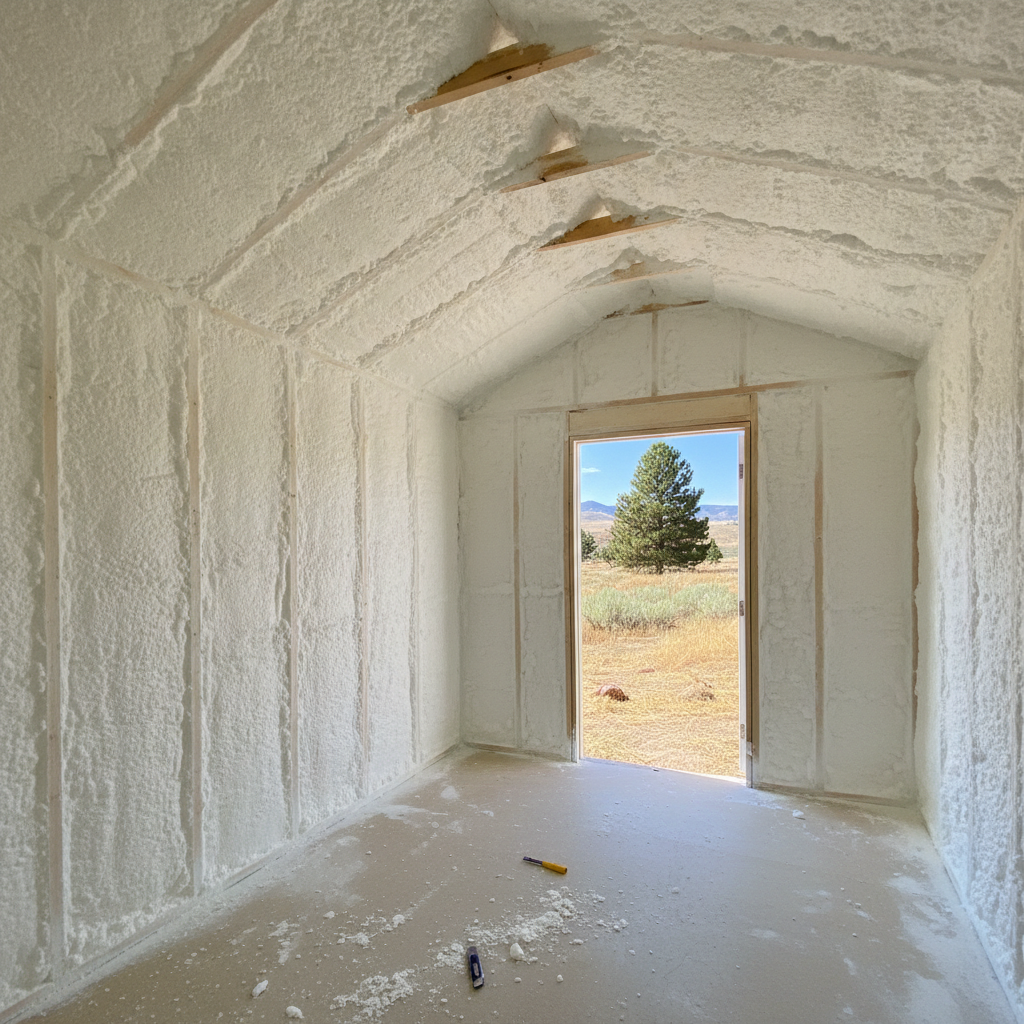
Alright, let's talk about insulation. You're probably here because your energy bills are making your eyes water, or maybe your house feels like an oven in July and a freezer in January. Good insulation really makes a big difference, especially here in Boise where we get those hot, dry summers and chilly winters. But finding the right contractor? That can honestly feel like a maze. I've been in this business a long time, and I've seen just about everything. So, here's my straightforward advice on how to hire an insulation contractor without getting taken for a ride.
What to Ask Before They Even Quote
When you're calling around, don't just ask for a price. You need to dig a little deeper, which means asking some pointed questions. Here are some questions that'll tell you a lot about who you're dealing with:
- Are you registered with the Idaho Contractors Board? This is a really important one. In Idaho, contractors doing work over $2,000 need to be registered. You can check their registration through the Idaho Contractors Board public lookup yourself. If they hem and haw, that's a definite red flag.
- Do you carry general liability and workers' compensation insurance? Get proof, don't just take their word for it. You want to see current certificates. If a worker gets hurt on your property and they don't have workers' comp, guess who might be on the hook? You. General liability protects you if they damage your home during the job. Aim for at least $1 million in general liability; that's pretty standard in the Treasure Valley, generally speaking.
- What R-value do you recommend for my attic/walls/crawl space and why? Boise is in IECC Climate Zone 5B, which means we have specific recommendations for R-values. For attics, you're generally looking at R-49 to R-60. Walls and crawl spaces have their own numbers too. A good contractor won't just give you a number; they'll explain why it's right for your home and our climate here in Idaho.
- Will you air-seal before insulating? Especially for older homes, air sealing is key. You can blow in all the insulation you want, but if air is still leaking in and out, you're just throwing money away.
- How do you handle existing insulation? Will they remove it, or just add on top? If it's old, damaged, or has signs of pests (which happens more than you'd think), removal might be necessary.
- For homes built before 1990: Will you test for asbestos if needed? This is important. Disturbing asbestos without proper precautions is a health hazard and a huge liability for everyone involved.
- What kind of warranty do you offer on materials and labor? A reputable company stands behind its work, plain and simple.
- Can you provide three recent local references? And actually call them! Ask about their experience, if the job was on time and on budget, and if they'd hire them again. Why does that matter? Because past performance is a good indicator of future results.
Understanding the Quote: More Than Just a Price Tag
Once you get a quote, look past the bottom line. A good quote should be detailed, not just a single number. It's not just about how much, but what you're getting for that money, which is something most people overlook.
- Breakdown of materials and labor: You should see separate costs for insulation material (like open-cell or closed-cell spray foam, which have different costs per board foot), any prep work (like air sealing or old insulation removal), and the labor involved.
- Specific R-values and thickness: The quote should clearly state the R-value they're installing and the thickness needed to achieve it. For spray foam, this is usually measured in inches.
- Scope of work: What areas are they insulating? Attic, walls, crawl space? Is air sealing included? Are they installing baffles in the attic for ventilation? Make sure everything you discussed is in writing.
- Permits: For significant insulation work, especially if it involves structural changes or changes to the building envelope, a permit might be required by the City of Boise. Your contractor should know this and ideally handle the permitting process. Ask if the quote includes permit fees and inspections.
- Payment schedule: A fair schedule usually involves a deposit (often 10-30%), with payments tied to project milestones, not all upfront. Be wary of anyone asking for all the money before they even start — that's a big warning sign.
Red Flags to Watch Out For
Trust your gut, but also look for these concrete warning signs:
- Unsolicited visits or high-pressure sales: If someone shows up at your door saying they noticed your insulation looks bad, send them packing. Same goes for