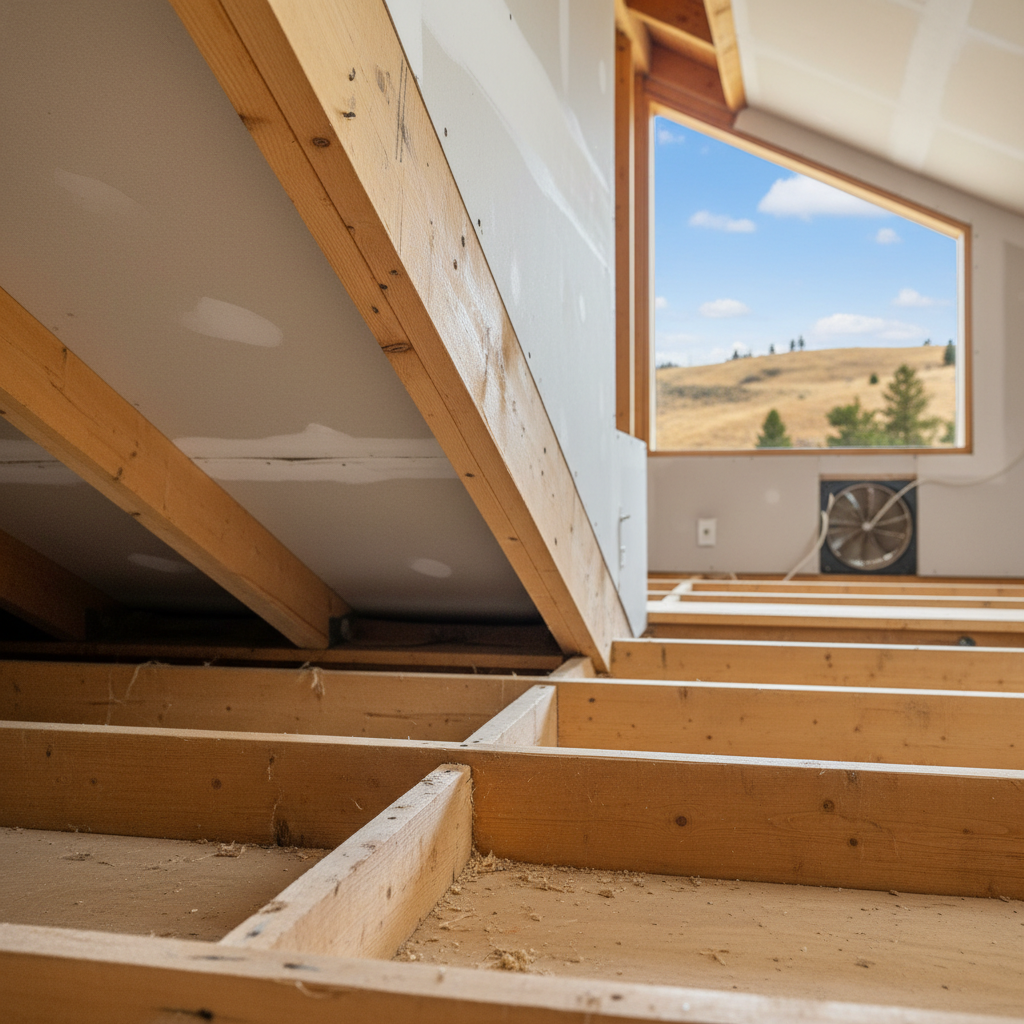
Alright, let's talk about getting rid of old insulation. It's definitely not the most exciting part of fixing up a house, but sometimes, you just have to do it. I hear from a lot of folks in Boise who wonder if they really need to rip out the old stuff before putting in new. The quick answer? A lot of the time, yeah, you do. So, let's go over the common questions I get all the time.
Why would I even need to remove my old insulation?
This is usually the first thing people ask me. There are a few big reasons. First off, if you've had pests — rats, mice, squirrels, raccoons — making themselves at home in your attic or crawl space, their droppings and urine totally contaminate the insulation. That's not just gross; it can actually be a health risk, carrying diseases. You certainly don't want that kind of stuff floating around in your air. Second, water damage. A leaky roof, a burst pipe, or even just constant condensation can turn insulation into a moldy, matted mess. Once it gets wet and moldy, it loses its R-value, starts smelling terrible, and again, becomes a health risk. Third, sometimes the old insulation is just completely shot. It's compacted, settled so much it's not doing anything anymore. Think about really old, dusty cellulose that's maybe half its original thickness. Or maybe you're upgrading to a different type of insulation, like spray foam, and the old stuff simply has to go to make room for a proper seal and application.
Can't I just put new insulation right on top of the old?
You *can*, sometimes. But honestly, it's usually not the best idea, and often, it turns out to be a mistake. If that old insulation is contaminated, wet, or moldy, just adding new insulation on top traps those problems right in there. You're basically creating a sandwich of bad news. Even if it's just old and dusty, you won't get the full benefit of the new insulation because the old layer isn't doing its job. Plus, piling a new layer on top of old, settled insulation can sometimes compact it even more, making it less effective. For us at Spray Foam Pros of Boise, if we're putting in spray foam, we almost always tell people to remove the old stuff first. We need a clean, clear surface to make sure the foam sticks properly and creates that airtight seal you're paying for, you know?
Is this a DIY job, or should I call a pro?
Look, I'm all for homeowners tackling projects themselves, but insulation removal is one job where I really, really recommend calling in the pros. It's not just about the heavy lifting, either. You're dealing with dust, allergens, possible mold spores, rodent waste, and sometimes even asbestos in really old homes (though that's less common in Boise's newer suburbs like those out by Eagle and Meridian). You absolutely need the right personal protective equipment — respirators, full body suits, gloves — and specialized gear like powerful vacuums with HEPA filters. That's how you safely remove the material without spreading contaminants all through your house. And getting rid of contaminated insulation isn't as easy as just tossing it in your regular trash bin. We've got the equipment, the training, and the proper disposal methods to do it safely and efficiently. Trust me on this one; your lungs and your family will thank you.
How long does insulation removal usually take?
It really depends on how big the area is and what kind of insulation you've got, plus how much of it there is. A typical attic in a 1,500-2,000 square foot home might take a day, maybe a day and a half for a crew of two. If it's a super tight crawl space, or there's a massive amount of blown-in cellulose that's been there for decades, it could take longer. We're talking hours of careful, dirty work. We always aim to be as quick and clean as possible, but we won't rush and cut corners, especially when we're dealing with potential hazards.
What about the mess? Will my house be covered in dust?
This is a big concern for people, and it's totally valid. A professional insulation removal company goes to great lengths to keep the mess to a minimum. We'll seal off the work area, lay down drop cloths, and use those big industrial vacuums I mentioned earlier, which vent outside. We're not just scooping it out with shovels; we're sucking it out through large hoses directly into bags or a truck-mounted system. There will always be *some* dust, it's unavoidable, but our goal is to contain it completely to the work area and leave your living spaces as clean as they were when we arrived. We really take pride in our clean-up, because nobody wants to live in a dusty construction zone.
What's the cost of insulation removal in Boise?
Ah, the million-dollar question. It's tough to give a one-size-fits-all answer without actually seeing the job. It depends on several things:
- The type of insulation: Blown-in cellulose or fiberglass is generally easier to vacuum out than batts, which you have to pull out by hand.
- The amount: More insulation means more time and higher disposal costs.
- Accessibility: A wide-open attic is a lot easier than a super tight crawl space or an attic packed with obstacles like HVAC ducts or old knob-and-tube wiring.
- Contamination level: If there's a heavy rodent infestation or a lot of mold, we might need to take extra steps for sanitization or specialized disposal.
That said, you're usually looking at a few dollars per square foot. The best way to get an accurate quote is to have us come out and take a look. We'll give you a clear, honest estimate so you know exactly what to expect. It's an investment in your home's health and efficiency, and often, it's a necessary first step to getting your insulation right.
After removal, what's next?
Once the old insulation is gone, we'll often give the area a thorough cleaning and sanitization, especially if there were pests. Then, it's time for air sealing. This is a super important step many homeowners just don't think about. Before you put in new insulation, you want to seal up all those little cracks and gaps in your attic floor or crawl space ceiling. Think around plumbing stacks, electrical wires, and recessed lights. This stops air from leaking between your conditioned living space and the unconditioned attic or crawl space. It makes your new insulation work much, much better. After air sealing, *then* you're ready for new, high-performance insulation, whether that's blown-in fiberglass, cellulose, or what we often recommend at Spray Foam Pros of Boise, a good layer of spray foam for superior air sealing and R-value.
Is it really worth the hassle and cost?
Absolutely. If you've got contaminated, damaged, or severely degraded insulation, getting rid of it isn't just about comfort; it's about your health, your safety, and the long-term integrity of your home. You're clearing out the bad stuff, creating a clean slate, and setting yourself up for a much more energy-efficient and healthy living environment. It's a foundational step that really pays off in comfort, lower utility bills, and, well, just knowing your home is in good shape.