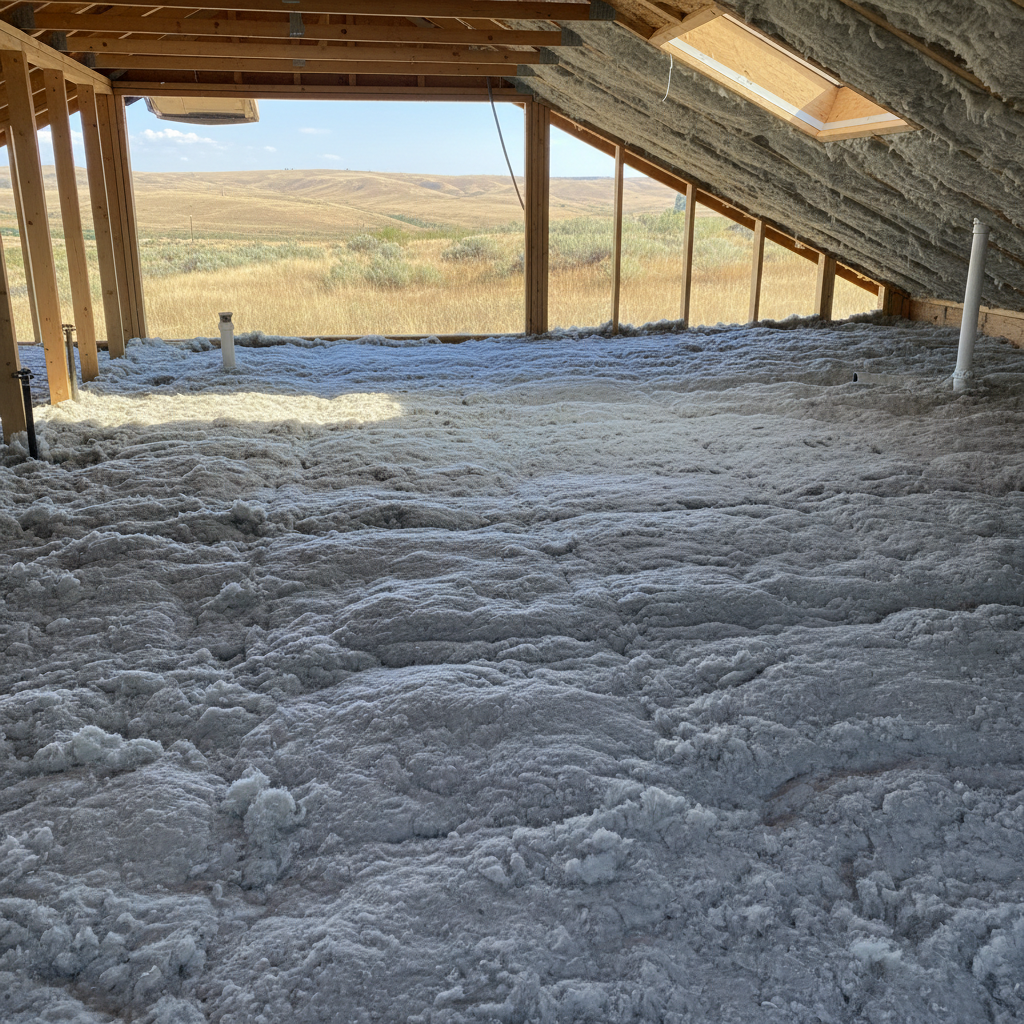
Alright, let's talk about blown-in insulation for a minute. You probably have it tucked away in your attic or walls, and it's doing a pretty solid job keeping your home comfortable through those scorching Boise summers and chilly winters. But here's the thing, and it's a big one: just like your car or your HVAC system, it needs a little attention now and then. It's not really an 'install it and forget it' kind of deal, especially with our unique Treasure Valley climate. You want that insulation working hard for you for years, right? So, let's go over how to keep it in tip-top shape, because honestly, it makes a difference.
Making Your Blown-In Insulation Last Longer
The good news is that blown-in insulation, whether it's fiberglass or cellulose, is made to last a good long time—we're talking 20 to 30 years. Sometimes it even lasts the entire life of your house, assuming it was put in correctly and looked after. But 'looked after' is the key phrase here. Here’s what I've seen really helps:
- Keep it Dry: This is probably the most important point. Moisture is insulation's worst enemy. If it gets wet, it squishes down, loses its ability to insulate, and can even become a spot where mold starts to grow. So, make sure your roof is in good condition, check for leaks around any vents or chimneys, and deal with any plumbing issues in your attic or walls right away.
- Think About Ventilation: A well-ventilated attic is really important, especially in a climate like ours where temperatures can swing wildly. Good airflow helps stop moisture from building up and keeps your insulation working like it should. Make sure your soffit and ridge vents aren't blocked by insulation. Sometimes, putting in baffles can help keep that necessary air gap open.
- Seal Up Those Air Leaks: Insulation slows down heat transfer, but it doesn't stop air from moving around. Air leaks around light fixtures, attic hatches, or where wires and pipes go through your ceiling can really mess with how well your insulation performs. Seal these spots up with caulk or expanding foam. It's kind of like putting on a warm jacket but forgetting to zip it up – the insulation won't work as well if air is just blowing through.
- Try Not to Disturb It: Every time someone goes into your attic, there's a chance the insulation gets moved or squished. Try to keep attic traffic to a minimum. If you do need to go up there, be careful where you step and try not to mess with the insulation more than you have to.
Regular Maintenance: What You Should Be Doing
You don't need to be up in your attic every single weekend, but a yearly check-up can really help in the long run. I generally tell people to do it in the fall before the real cold sets in, or in the spring once the snow has melted and you can easily spot any roof problems.
- Visual Inspection: Grab a flashlight and just take a look around. Is the insulation still fluffy and spread out evenly? Are there any squished spots or bare areas where you can see the ceiling joists? Does it look discolored at all?
- Check for Pests: Rodents and other critters really like to nest in insulation, and they can make a real mess of it. Look for droppings, tunnels, or nests. If you find signs of pests, you'll need to deal with that problem quickly, and you'll probably need to replace any insulation that's been contaminated.
- Look for Water Stains: Any dark spots on the insulation or on the wood indicate a leak. Try to trace it back if you can. Water damage is a big deal and needs immediate attention.
- Make Sure Vents Are Clear: Double-check that your attic vents (soffit and ridge) aren't blocked. This is especially important for keeping good airflow and stopping moisture from building up.
Warning Signs of Problems
Your house will definitely let you know when something isn't right with your insulation. You just need to know what to listen for. Here are the big red flags, the things that really stand out:
- High Energy Bills: If your heating and cooling costs are steadily going up without a good reason, your insulation might not be doing its job anymore. Your HVAC system is probably working overtime to make up for it.
- Inconsistent Temperatures: Are some rooms noticeably colder in winter or hotter in summer than others? Do you feel drafts even when your windows and doors are closed? That's a classic sign that your insulation is failing or isn't covering enough area.
- Ice Dams: In Boise, we certainly get plenty of snow. If you see ice dams forming along your roof edges, it means heat is escaping from your attic, melting the snow, and then refreezing at the colder eaves. That's a clear sign your attic insulation isn't performing well.
- Visible Damage: This one's pretty straightforward. If you see insulation that's squished, wet, moldy, or has been torn up by pests, you've got a problem on your hands.
- Musty Odors: A persistent musty smell, especially in your attic or on upper floors, can point to moisture issues and potential mold growth within your insulation.
When to Call a Professional
While some basic checks are definitely things you can do yourself, there are times when you really need to bring in the pros. Don't hesitate to call us at Spray Foam Pros of Boise if you notice any of these situations:
- Significant Water Damage or Mold: If you've had a major leak or you see widespread mold, that insulation needs to be removed and replaced safely. This isn't a DIY job, honestly.
- Major Pest Infestations: If you've got a serious rodent problem that has compromised your insulation, it's best to have a professional handle the cleanup and replacement.
- Persistent High Energy Bills or Comfort Issues: If you've done your checks and sealed what you can, but your bills are still high or your home is uncomfortable, you might have insufficient insulation or hidden air leaks that require a more thorough assessment. We can use tools like thermal cameras to pinpoint exactly where the issues are.
- Uneven or Settled Insulation: Blown-in insulation can settle over time, which reduces its R-value. If you notice significant settling or thin spots, you might need an insulation top-off to bring it back up to optimal levels for our climate zone. Boise, for example, is in Climate Zone 5B, which means we need a good R-49 in our attics to handle those temperature extremes.
- Planning Renovations: If you're doing a major remodel that involves opening up walls or your attic, it's a perfect time to assess and potentially upgrade your insulation.
Taking care of your blown-in insulation means a more comfortable home, lower energy bills, and, well, just less to worry about. It's an investment that pays off, year after year.